

Model United Nations (MUN) CCA
16 Dec 2025
Spotlight


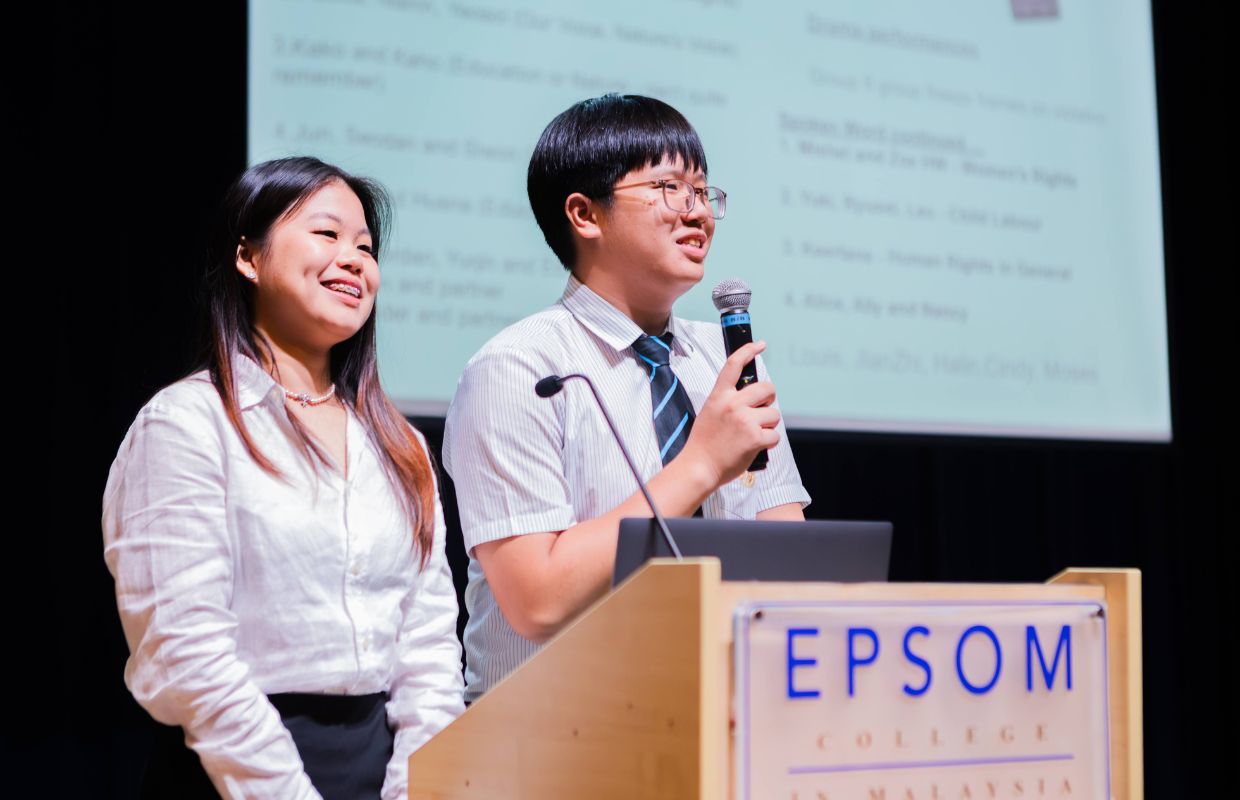
Model United Nations has been a dynamic platform for exploring global challenges while developing analytical, diplomatic, and public-speaking skills. Participating in Model United Nations (MUN) has offered a unique perspective on global issues, diplomacy, and critical thinking. Over recent conferences, our discussions ranged from pressing human rights crises to international security, environmental concerns, and development policies. Engaging with these topics has strengthened research and public-speaking skills while offering practical experience in negotiation and collaboration.
This term in Model United Nations felt different. Instead of learning about global issues from textbooks, we were placed directly into the middle of them. Debating human rights, negotiating environmental policies, and simulating conflicts pushed us to think critically and speak with confidence. Recent conferences strengthened our research and diplomatic skills, while next term’s expanded MUN pathways promise even greater opportunities for students across Key Stage 3, Key Stage 4, and Key Stage 5.
Some of the most impactful sessions this term centred on human rights. Our debate on the genocide in Sudan required us to analyse past interventions and propose meaningful action, revealing how challenging global cooperation can be. Similarly, discussing gender equality and civilian protection forced many of us to defend positions we did not personally agree with, teaching us to see the world through different political perspectives.
Environmental and development issues brought their own intensity. Debates on air quality in India, climate refugees, and sustainable development often divided the room, with some delegations pushing for immediate climate action while others prioritised economic realities. These discussions highlighted how complex global policymaking truly is. Historical topics such as the Bandung Conference further deepened our understanding of diplomacy’s long-lasting influence.
Crisis simulations, especially those involving conflict, were the most fast-paced. Messages were exchanged across the room, alliances formed under pressure, and strategies shifted constantly. These moments captured the energy of real-world diplomacy and helped us become calmer, sharper thinkers.
Looking ahead, next term introduces three new MUN pathways. Key Stage 3 MUN on Mondays will build foundational debating skills. Key Stage 4/5 MUN on Thursdays will support students with a growing interest in global affairs, helping them develop debate technique and resolution writing. MUN Advanced on Thursdays during CCA 2 will be run by myself and Angela, preparing experienced delegates for formal conferences and international competitions.
This term showed us that MUN is not just about understanding how the world works, but about learning how we work under pressure, disagreement, and responsibility. We stumbled, improved, and grew together as a team. With new pathways next term, even more students will be able to join this journey. A heartfelt thank you goes to Mr Walmsley, Mr Hughes, and Ms Josie for guiding us every step of the way.
Nexus K. and Angela L.
Year 11 and Year 12 Student