

Thingyan, or Songkran in other South East Asian countries, is undoubtedly Myanmar’s most celebrated event of the year, marking the transition to a new year in the Burmese calendar. Rooted in Buddhist values, it symbolises renewal, cleansing and new beginnings while bringing people together through joyful festivities, cultural performances and merit-making. This year, the vibrant spirit of the festival was brought to Epsom College Malaysia.
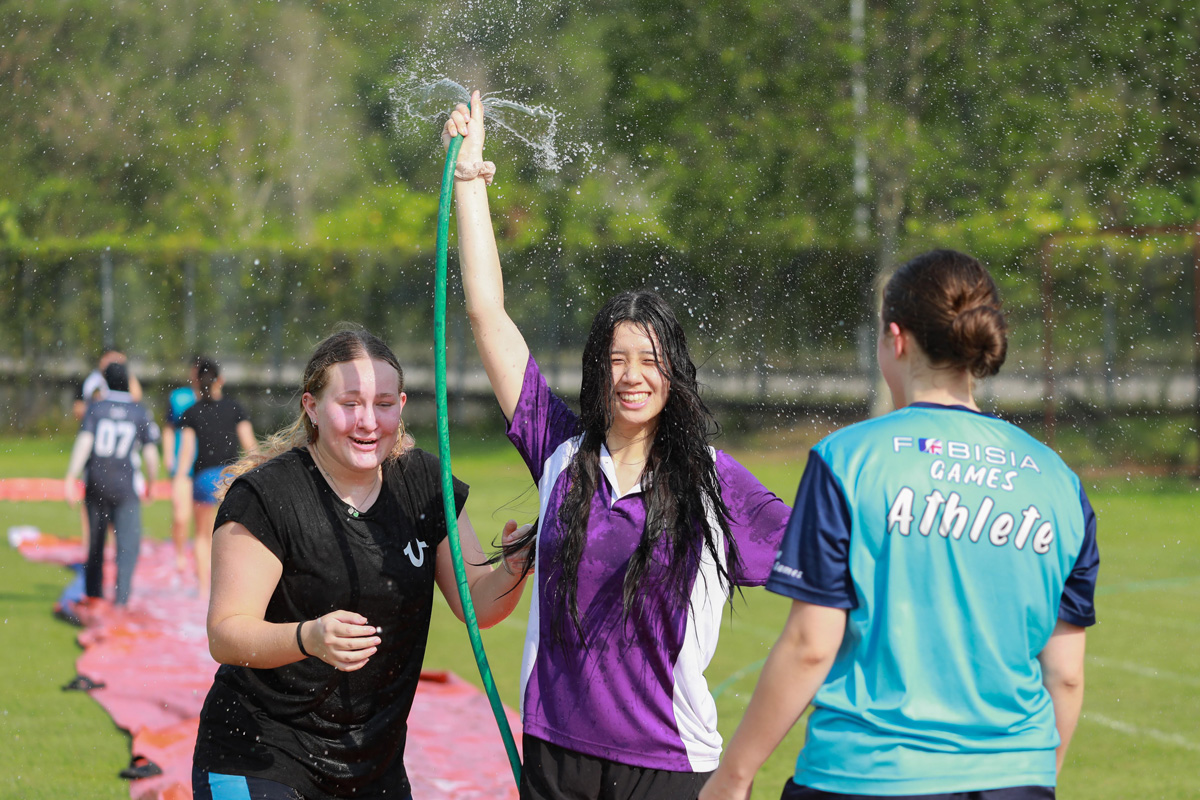
Thingyan is celebrated over several days with various activities marking the descent of Thagyamin, the king of all deities in Burmese Buddhist belief, to record all good and bad deeds made by mankind. At Epsom, this was reflected through several activities, including Splash Day, where students played with water guns and sprayed water, symbolising the cleansing of past actions and welcoming a fresh start. The event fully captured the joyful essence of Thingyan and encouraged an appreciation for different cultures within the school.
Another key moment was the Thingyan special lunch, where traditional desserts such as mont lone yay paw (glutinous rice ball) and mont lat saung (a cendol-like drink) were served alongside a Burmese-inspired meal. Food plays an important role in strengthening community bonds, especially during celebrations such as Thingyan, and this allowed Burmese students to reconnect with familiar traditions while introducing others to new flavours.
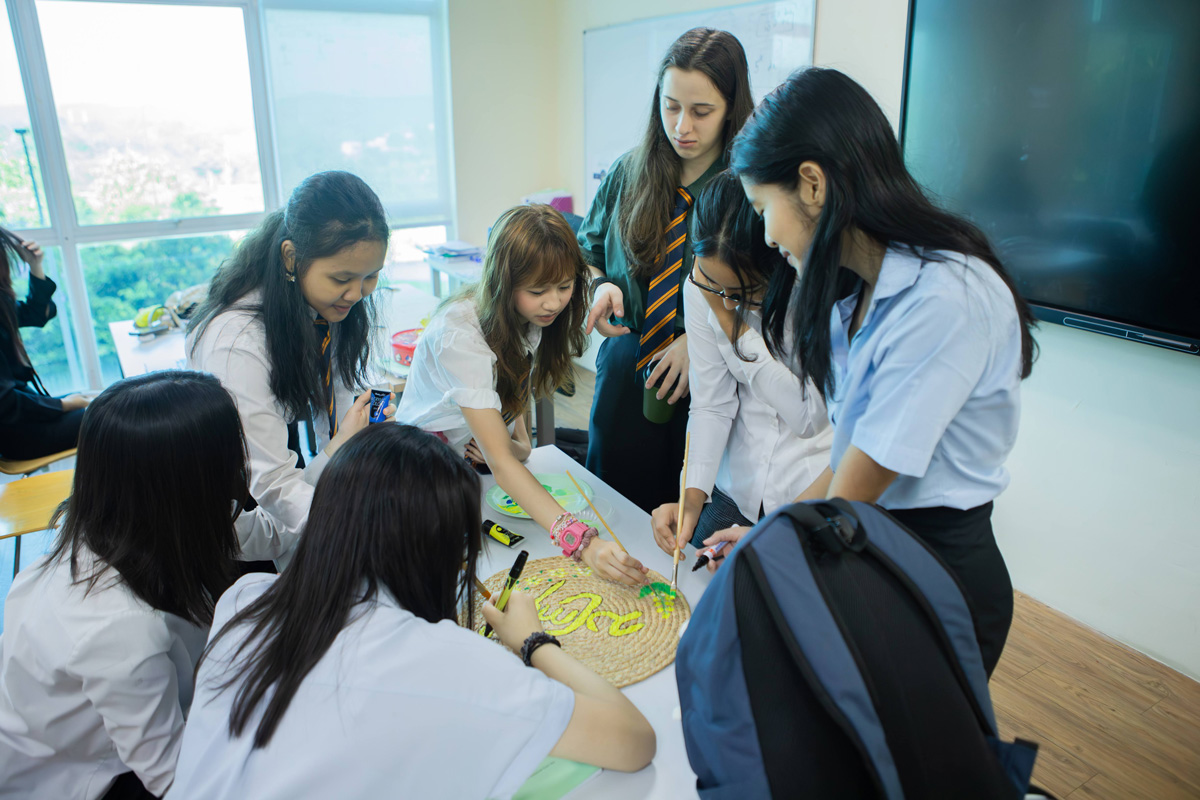
In addition to this, Wellness Wednesday activities added a creative element to the celebration, with New Year messages painted on woven baskets and origami padauk flowers displayed near the administrative block. As padauk is historically revered as the flower that only blooms during the first rainfall of the new year, it holds deep symbolic meaning for the arrival of Thingyan.
Overall, Thingyan at Epsom went beyond celebrating a new year; it became a way to share diverse cultures within the school community. Through water festivities, traditional food and creative activities, it left a lasting impression of the richness of Burmese culture, and we hope it continues to be a cherished tradition for years to come.
Nang Y.
Year 12 Student