
For much of modern history, seeing something with our own eyes has carried a sense of certainty. Photographs of the March on Washington in 1963, for example, capture the remarkable scale of an event attended by an estimated 250,000 people. Images like these allow us to witness history for ourselves. Today, however, artificial intelligence can create convincing images of events that never took place. So, can we still trust what we see?
Interestingly, this is not an entirely new problem. Historians have always approached evidence with a degree of scepticism. Photographs can be staged, propaganda deliberately manipulates its audience, and eyewitnesses can remember the same event very differently. Even sources that appear objective can give us only part of the picture.
One famous example comes from Stalin’s Soviet Union. As political figures fell out of favour, photographs were sometimes altered to remove them from the historical record. Nikolai Yezhov, once a powerful Soviet official, famously disappeared from a photograph showing him alongside Stalin after his execution in 1940. Editing photographs, it turns out, did not start with Photoshop.
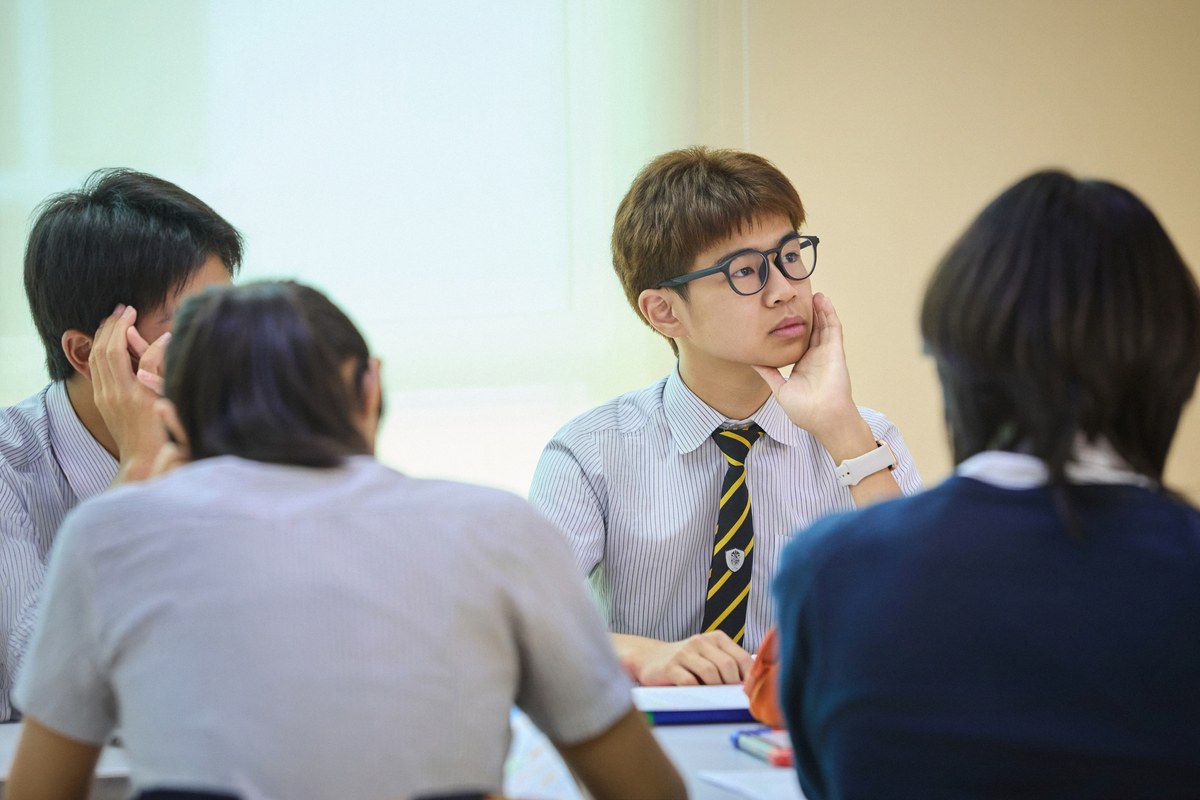
This is why studying History is about much more than remembering dates. Our Year 7 students have begun Term 1 by developing the skills of historians, examining primary sources and learning how to identify bias in the evidence they encounter. They are already asking important questions: Who created this? Why was it created? What might be missing? Can other evidence support it? Our Year 12 and 13 Politics students apply many of these same skills to the contemporary world, scrutinising speeches, statistics, campaign messages and claims made by those in power, as well as those seeking to be.
These questions are becoming increasingly important. The challenge facing young people is no longer simply finding information; they have access to more of it than any previous generation. The challenge is deciding what deserves to be believed.
The familiar expression ‘seeing is believing’ might need updating. In a world of AI-generated images, viral claims and an endless stream of information, being able to question what we see is more important than ever. For Epsom College Malaysia students, a simple question is worth keeping in mind: ‘I’ve seen it, but should I believe it?’
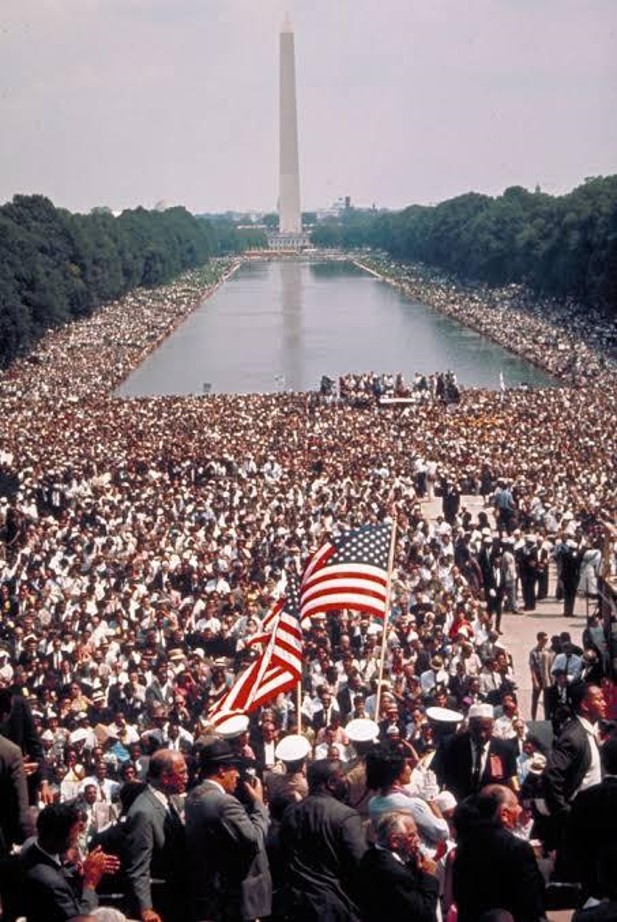
The March on Washington: Photos From an Epic Civil Rights Event
The March on Washington took place on 28 August 1963, when Martin Luther King Jr delivered his famous ‘I Have a Dream’ speech.
Mr Myles Worthe
Head of History and Politics