

What begins in the imagination can become reality. At Epsom College Malaysia, Design Engineering nurtures students’ creative and innovative talents, empowering them to transform ideas into tangible inventions using a wide range of analog and digital resources. This well-rounded programme equips learners with the skills and mindset needed to meet the complex challenges of the 21st century. While technology is increasingly accessible—with AI now enhancing both knowledge and product development—it is human creativity that enables young entrepreneurs to envision unique business opportunities and solutions for future scenarios. Design Engineering at Epsom places creativity and innovation at the heart of technological application.
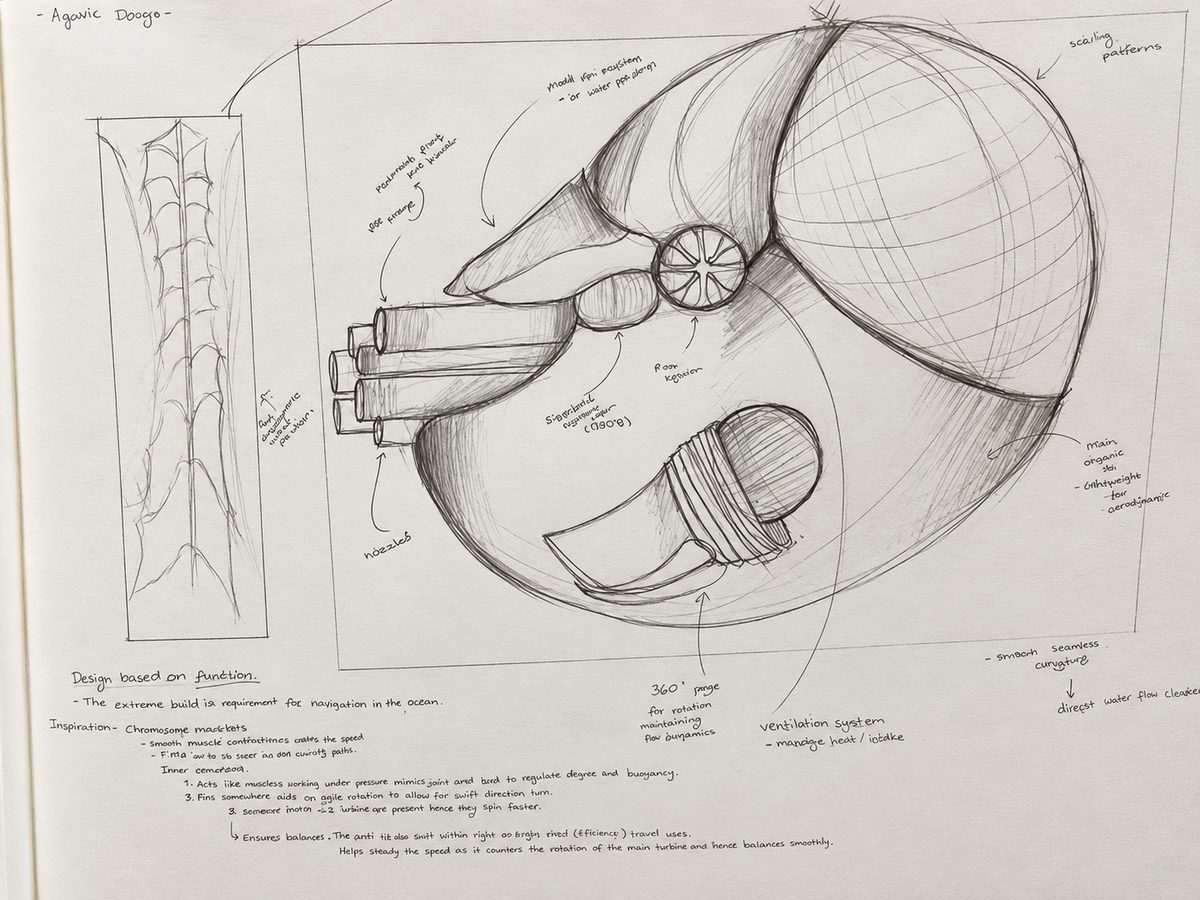
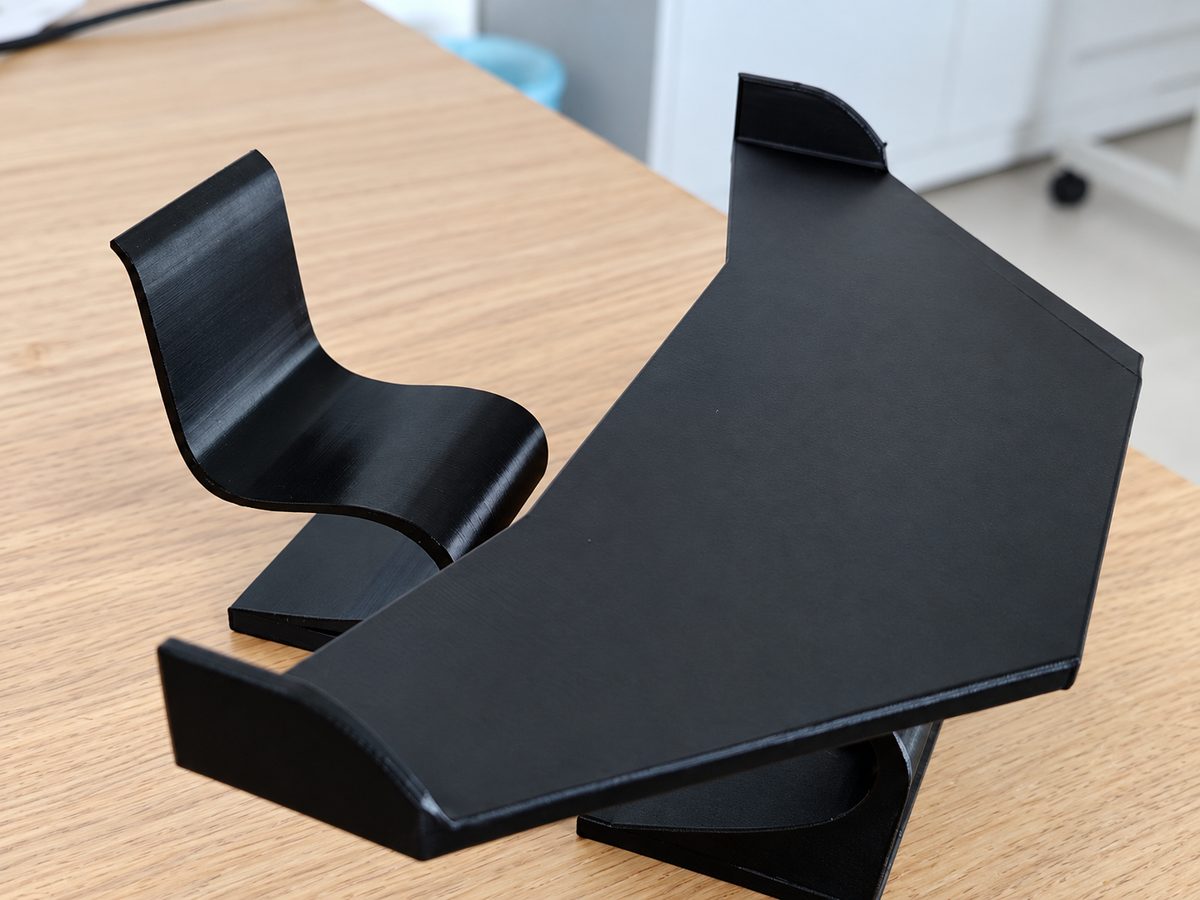
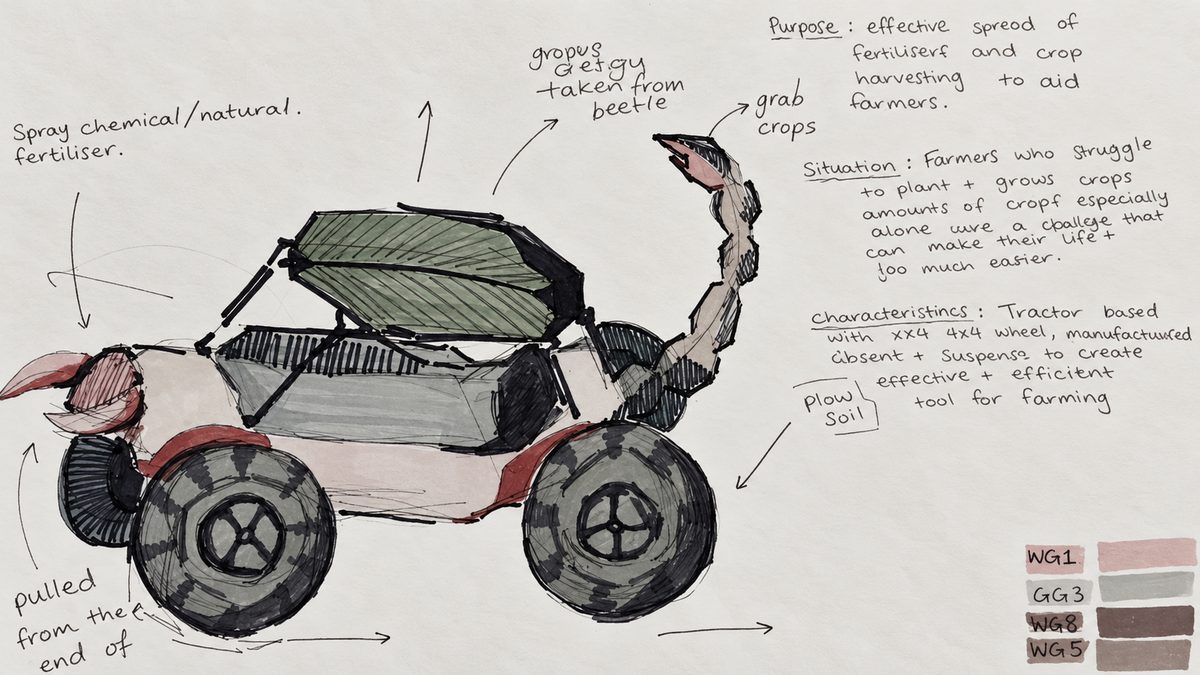
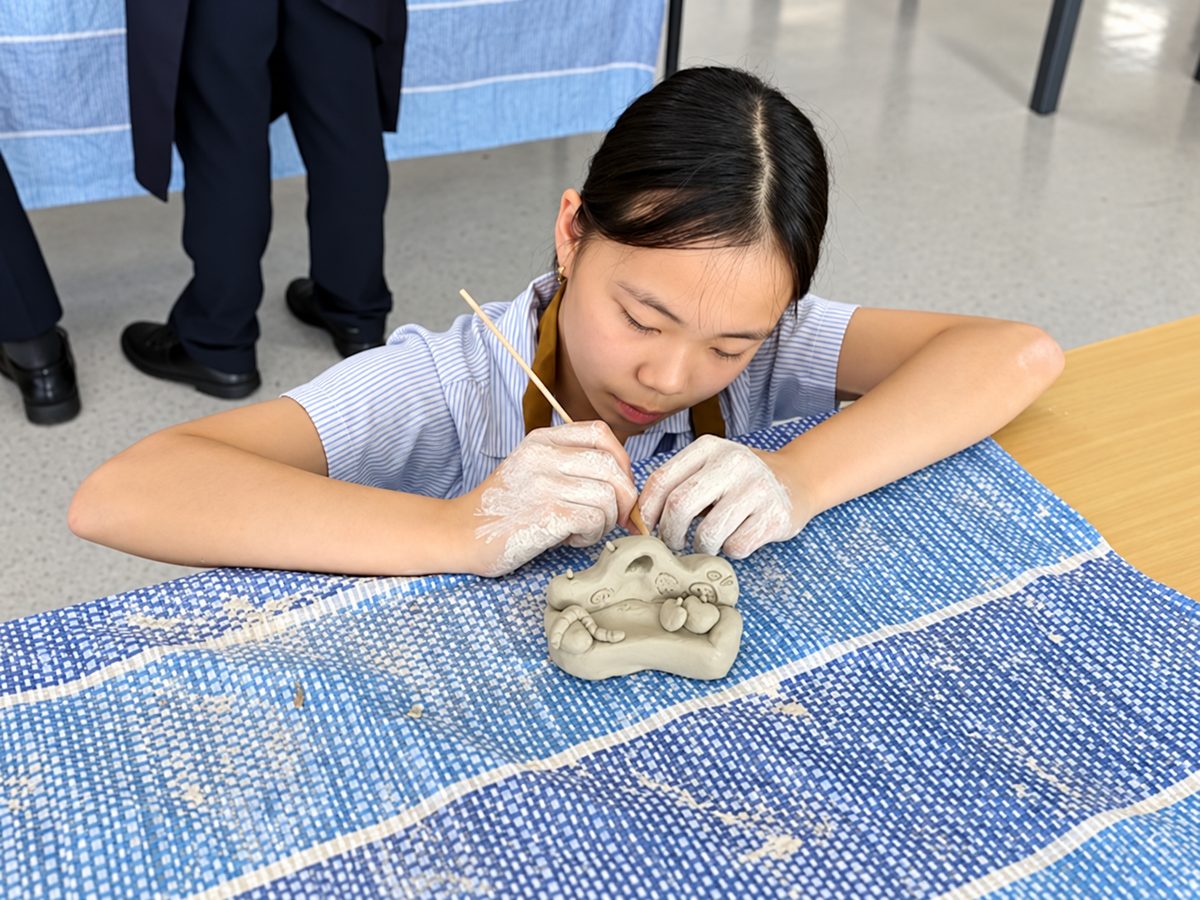
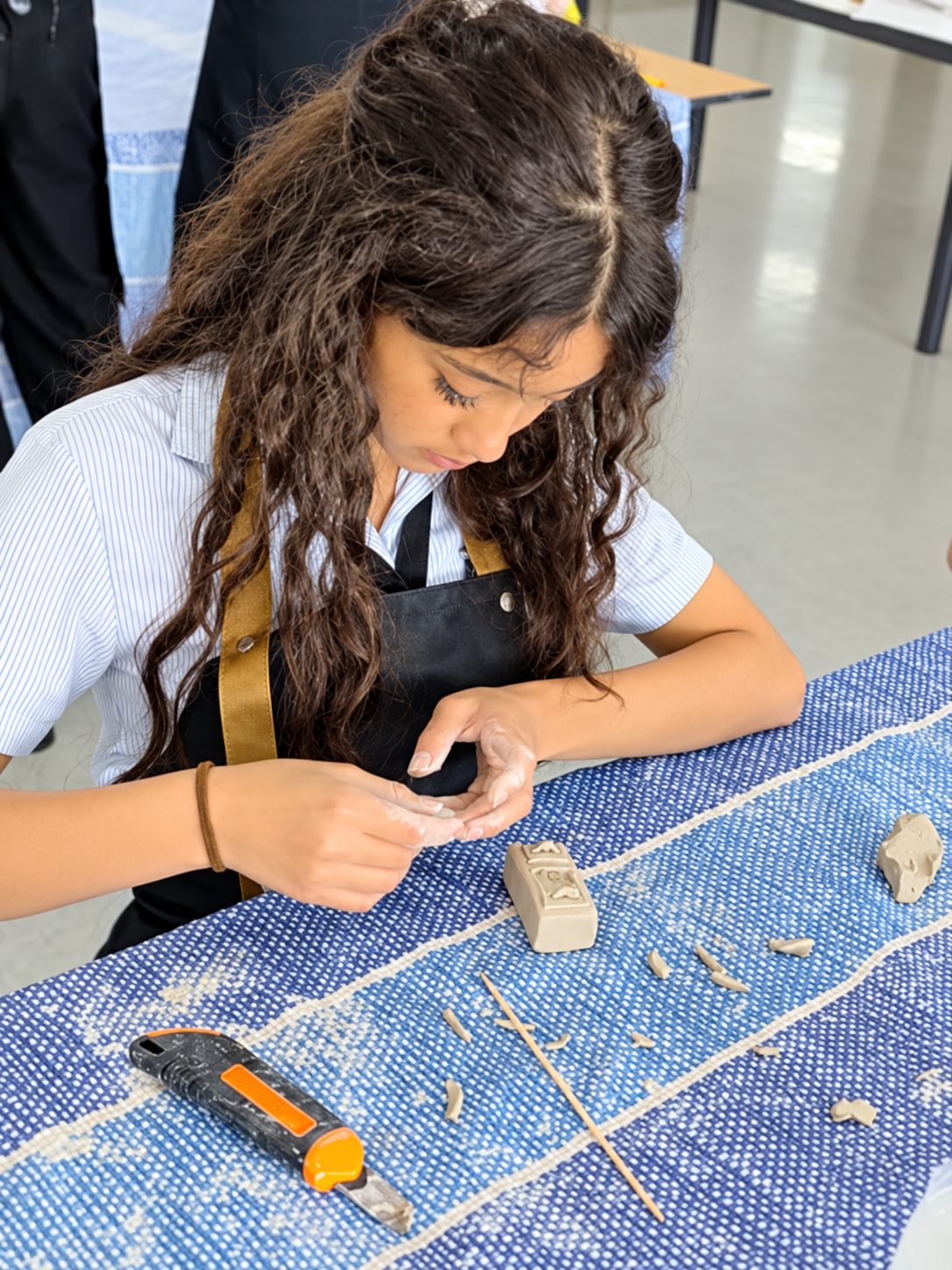
One of the flagship units in the curriculum is Conceptual Furniture. Here, students progress through an eclectic design journey that begins with 2D sketching to explore form and function. Ideas are then visualised and refined through 3D clay modelling before entering the formal stages of the Design Engineering process.
Using Design Engineering thinking stages and CAD–CAM resources such as laser cutters and 3D printers, students translate their concepts into precise digital models and physical prototypes. Then, using wood—a noble and versatile material—allows learners to create their full-scale technical prototypes safely and effectively. Safety remains the golden rule in Epsom’s Design and Engineering Workshop, where students work with soft, medium, and hard resistant materials under strict supervision and discipline protocols. This hands-on experience provides scholars with novel insights into materials, manufacturing, and design communication, strengthening their readiness for future studies in science, technology, engineering, creative arts, or entrepreneurship.
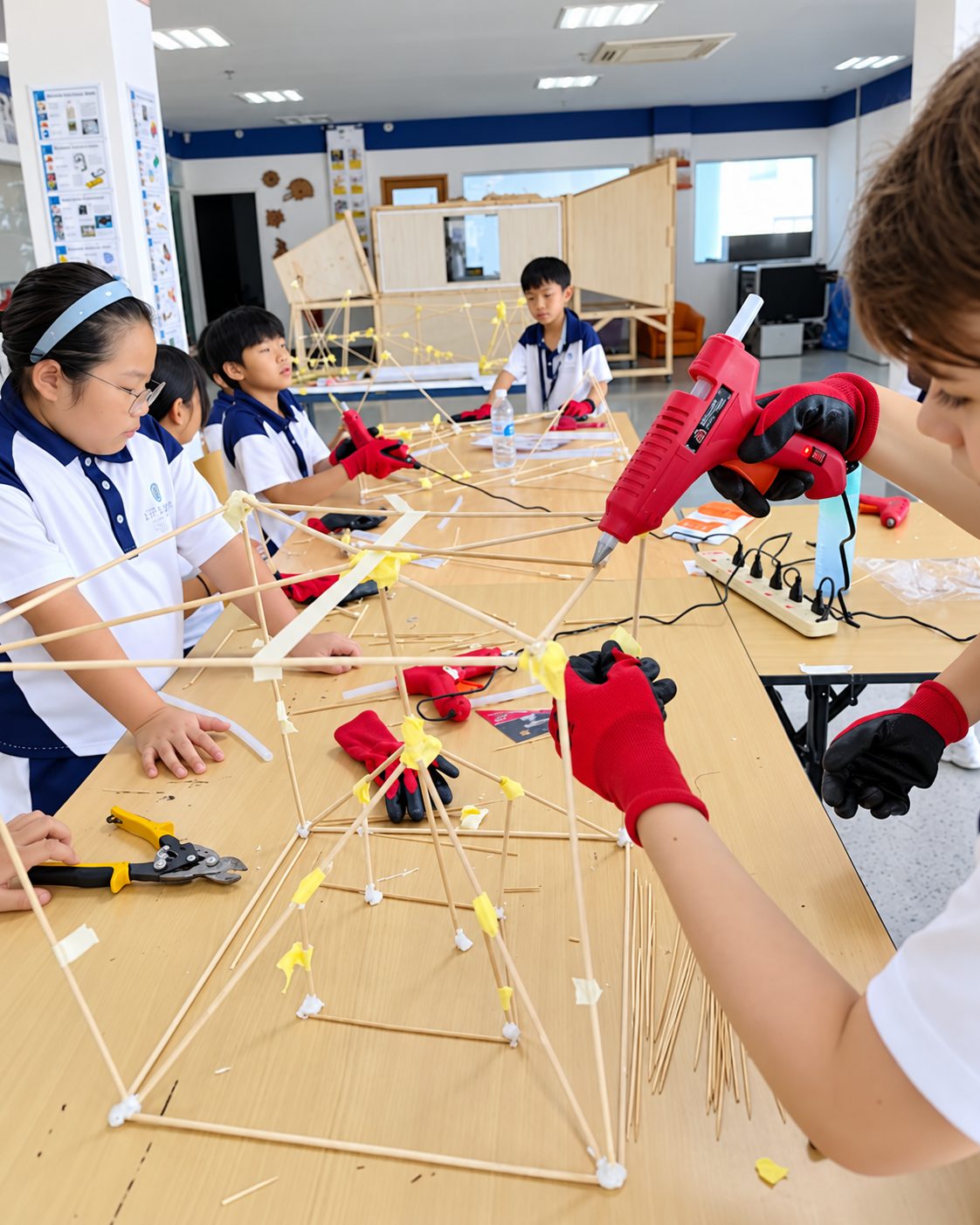
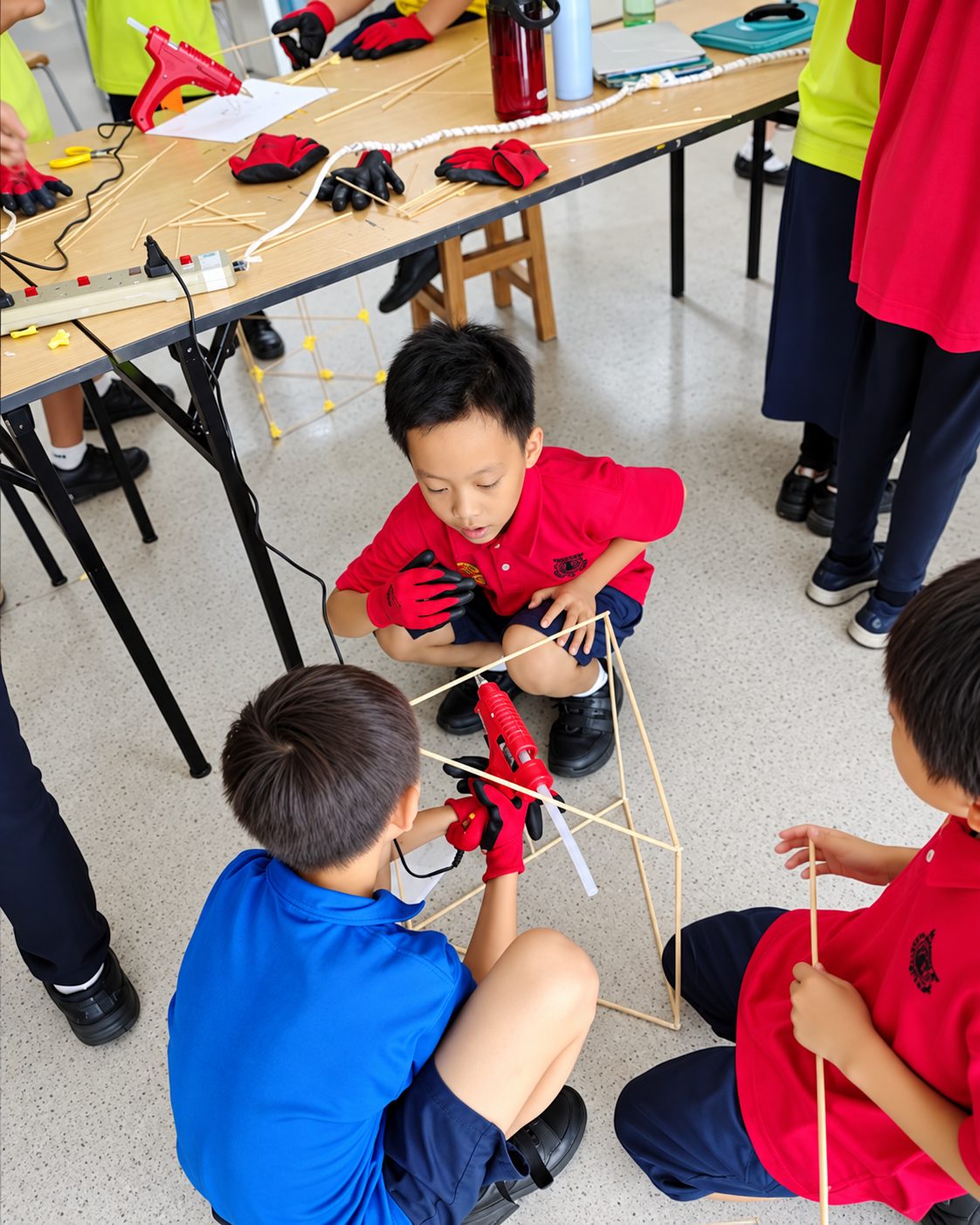
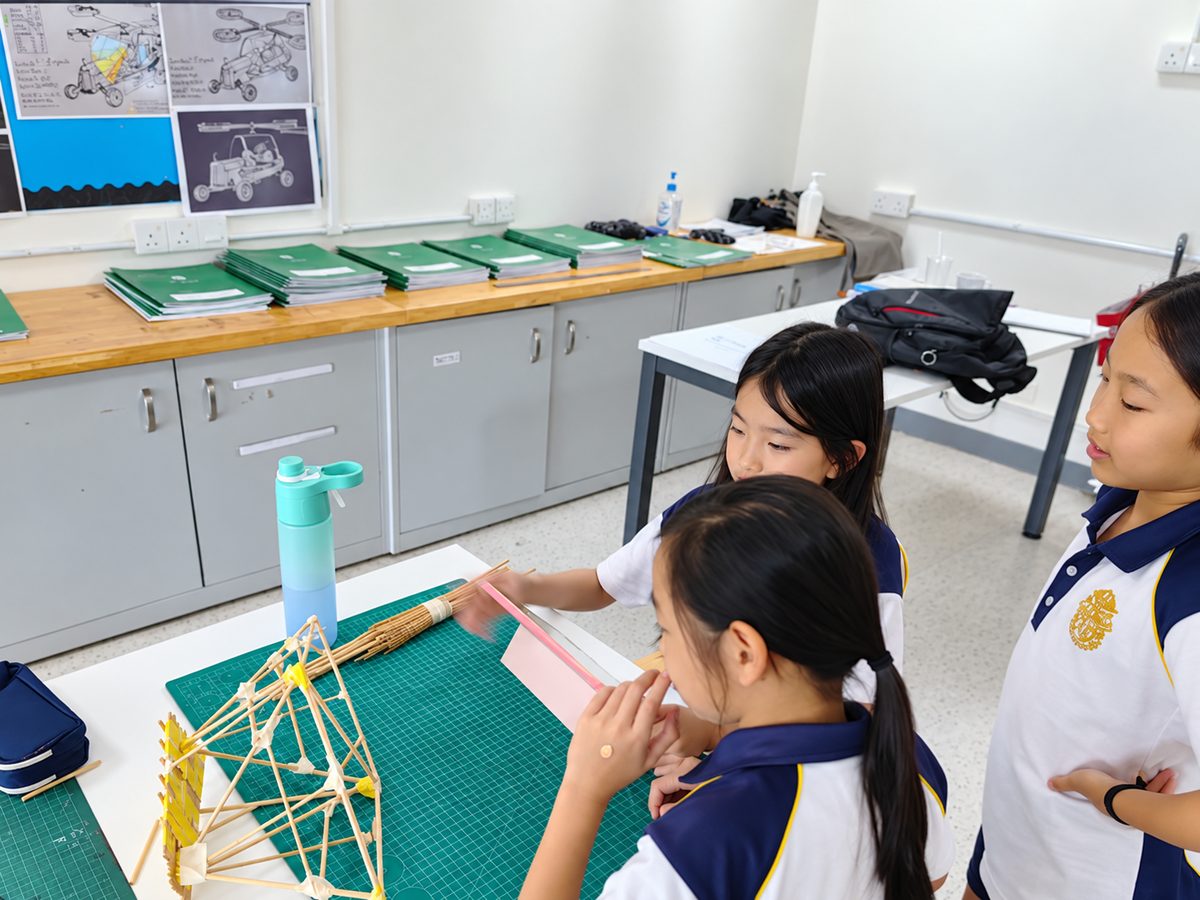
In Prep schools, students explore frame structures by learning fundamental concepts such as segments, joins, geometric patterns, alignment, measurement, and proportion. Through a hands-on activity, students are challenged to build a structure from soft materials that can withstand a 5–10 kg weight placed on top. This exercise promotes collaborative critical thinking and teamwork. Afterwards, students apply reverse engineering techniques to improve their designs using various software tools.
Another key area is Automated Solutions, where students integrate soft and resistant materials with mechanisms, circuits, and programming. This interdisciplinary approach fosters both creative and critical thinking, aligning with global trends in Design Engineering and preparing students for real-world problem-solving. Through these projects, Epsom students participate in national and international school competitions, including robotics leagues, F1 in Schools, and other prestigious challenges. These experiences not only sharpen technical skills but also cultivate teamwork, resilience, and innovation—essential attributes for the next generation of designers and engineers.
Mr Jean Jursich
Head of Design Engineering