



What makes us follow rules, even when they seem unnecessary? Why does competition change the way we treat others? And how do our decisions shift when we are under pressure? These questions sat at the heart of the recent Year 12 A-Level Psychology trip, where theory was taken out of the classroom and tested in real-world settings.
Student feedback strongly suggests that this approach was both engaging and educational: 100% of respondents said they would recommend the trip. Psychology is often mistaken for “mind-reading” or common sense. In reality, it is a scientific discipline that explains behaviour through evidence and theory.
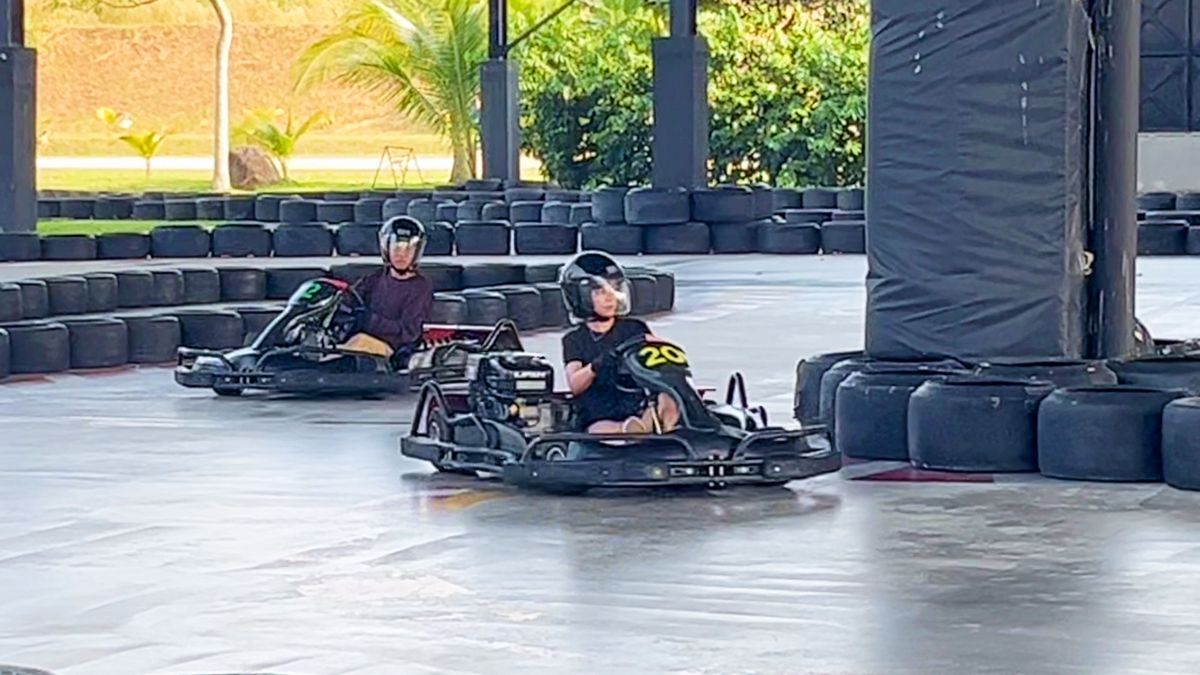
This became particularly clear during the go-karting session at X Park, Sendayan, where students explored obedience and prejudice. Most students identified authority figures, rules, competition, and peer influence as key factors affecting obedience. One student noted how “everyone listened and obeyed the instructions from teachers and the instructor,” while another observed that “people within groups took over others rather than helping,” highlighting the impact of group identity and competition.
All students reported increased awareness of how prejudice and bias can form, often rapidly and unintentionally. As one response explained, “just by identifying in a group itself would show prejudice behaviour… increased with competition over limited resources,” directly reflecting principles of Realistic Conflict Theory.
The bowling session focused on cognitive decision-making, with students identifying attention, memory, pressure, and planning as key processes. Most noticed that their decision-making changed under pressure, for some improving, for others worsening, reinforcing the complexity of human cognition.
Perhaps most tellingly, students reported a shift in how they viewed Psychology. One reflected that it is “not a boring subject with only stuff to memorise, but a subject that actually shows you what and why you act the way you do”.
The trip demonstrated that Psychology is not just something students study, it is something they actively use, analyse, and experience.
Mr Ryan Calder
Head of Psychology